
Enter Their World.
Children often say “come play with me” when what they may really mean is “come be with me.” Play is one of the ways children invite us into their world.

Before we lead, we connect.
Connection
before
correction
Presence
before
performance
Delight
before
instruction
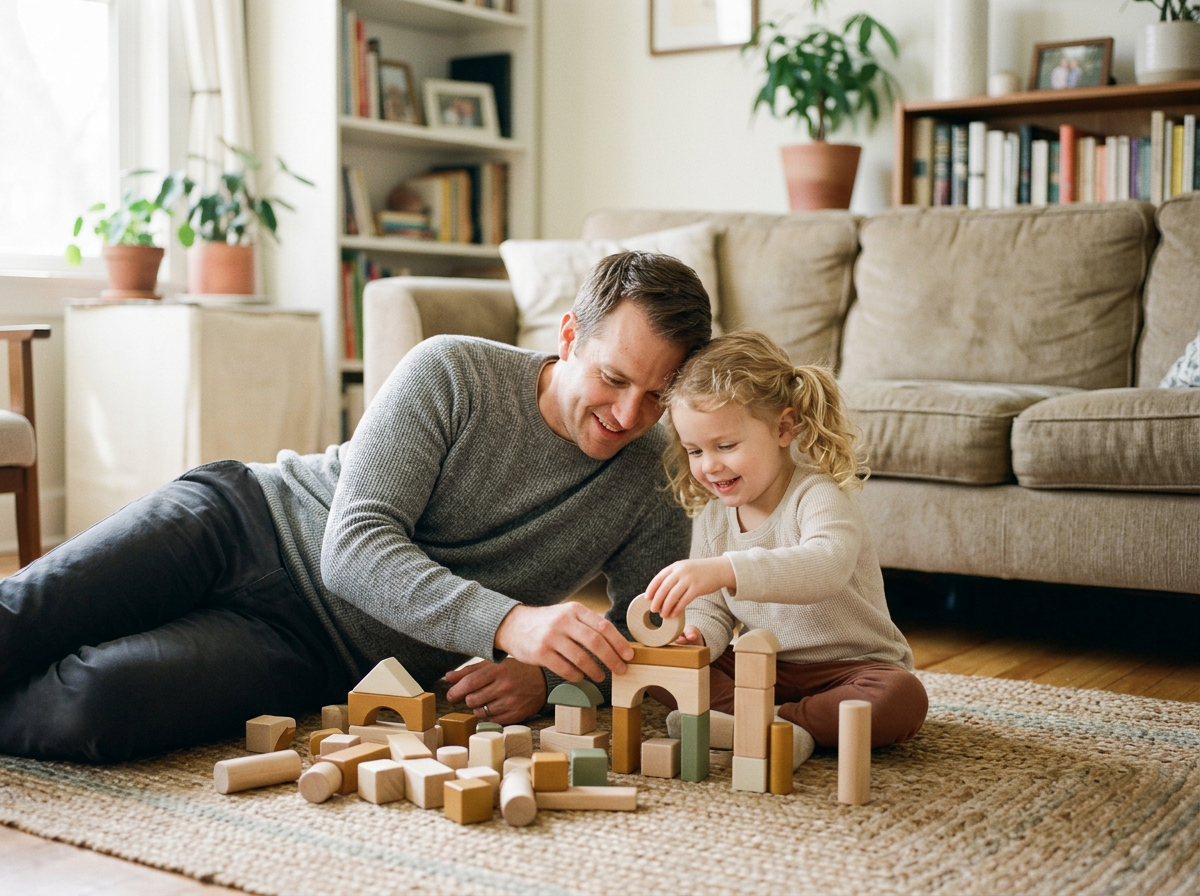
Play is not the absence of parenting.
Parents remain parents. Playful parenting is not permissive parenting — boundaries still matter and guidance still matters. But children often receive guidance best from people they feel connected to and attuned with.
When you get down on the floor, laugh at their jokes, or ask about the game they love, you communicate three powerful messages:
- “I see you.”
- “I enjoy you.”
- “Your world matters to me.”
Play grows up with them.
The form changes. The message stays the same: I want to be with you.
Early Childhood
Ages 0–5
Get on the floor. Follow their lead. Repetition is the point — the tenth round of peekaboo is a love language.
Try: Floor play, bubbles, songs, pretend kitchens, bath-time stories
Elementary
Ages 6–10
Say yes to their invented games. Let them teach you the rules. Enter their imagination with enthusiasm.
Try: Forts, scavenger hunts, silly interviews, backyard olympics
Tweens
Ages 11–13
They still want you — they just want to be taken seriously. Offer choices, humor, and side-by-side time.
Try: Cooking challenges, bike rides, board games, craft projects
Teens
Ages 14–18
Play with teens looks different, but it matters just as much. Show up in their interests without taking them over.
Try: Music, gaming, driving adventures, photography, thrift challenges
Whole Family
All ages
Shared rituals create belonging. What you repeatedly do together becomes part of who you are together.
Try: Dance parties, tech-free hours, stargazing, portrait sessions
They still need you to show up.
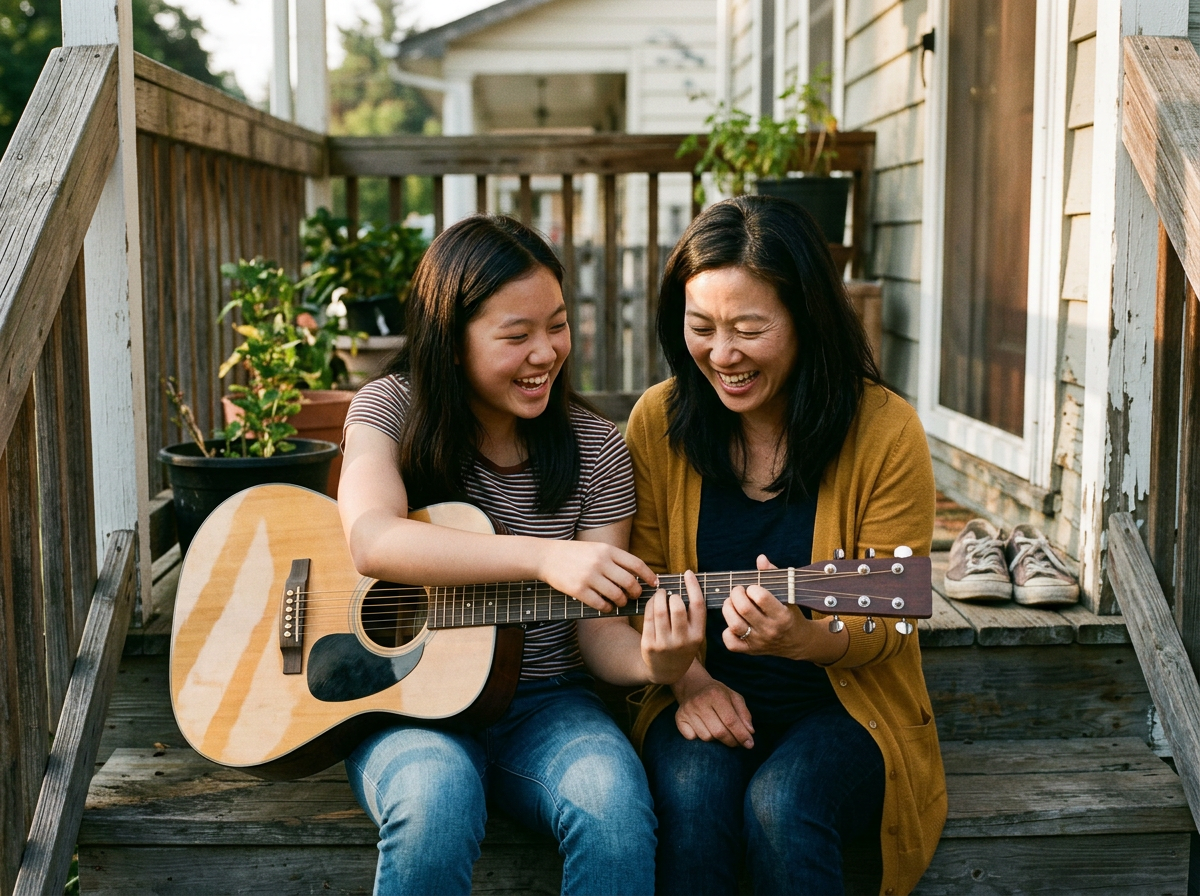
Teenagers may not ask you to play, but they still long to be enjoyed. Play with teens often happens side by side — in the car, in the kitchen, over a game, on a trail.
Let them be the expert. Ask them to teach you their game, share their music, or choose the adventure. Proximity is not presence — but a shared experience often opens the door to both.
Children often say “come play with me” when what they may really mean is “come be with me.”
Ready to say yes the next time they ask?
Browse experiences filtered for parents and kids or the whole family.